

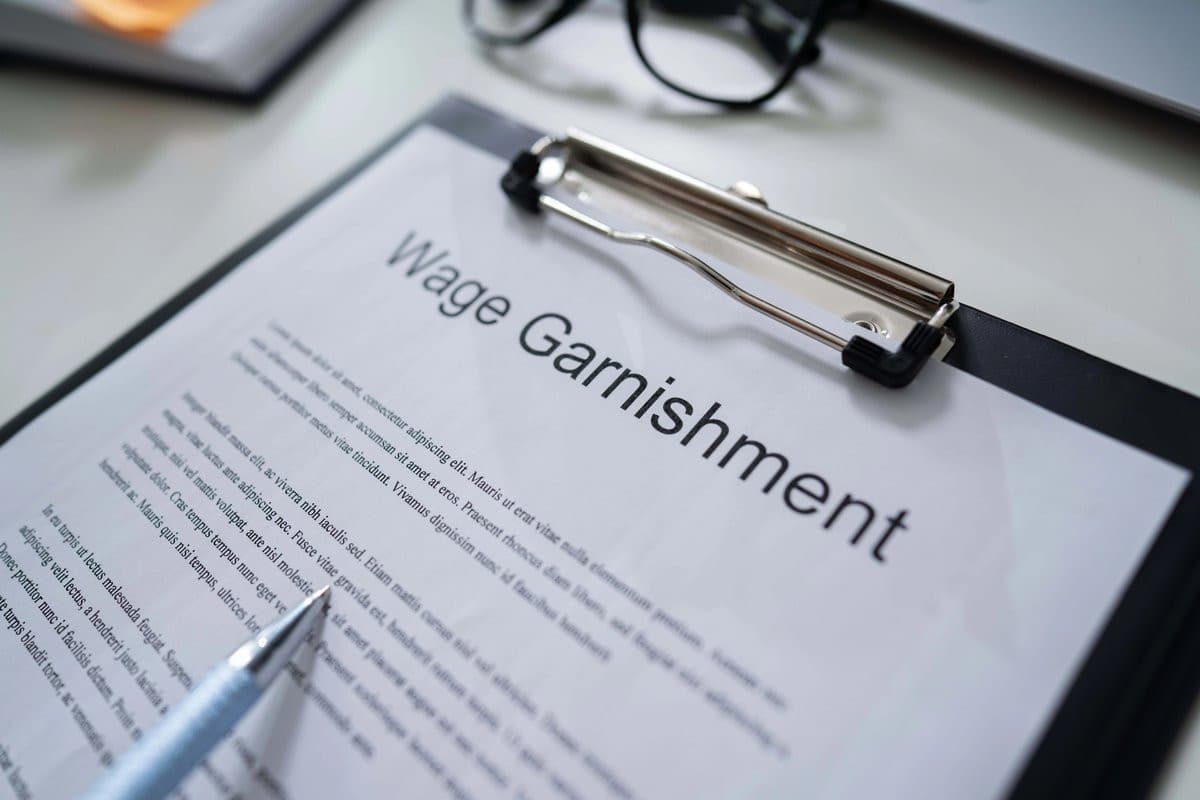
The prospect of IRS wage garnishment generates significant anxiety for taxpayers in Naperville and the Chicago suburbs who fall behind on federal taxes, but understanding the structured process and available options can prevent financial disruption. While commonly called wage garnishment, the IRS uses a wage levy—a federal administrative action distinct from Illinois state court garnishments—that follows specific notice procedures before enforcement begins.
The IRS cannot initiate a wage levy without providing a sequence of notices, starting with CP14 (initial balance due) and progressing through CP501/CP503 reminders, CP504 (notice of intent to levy), and finally LT11 or Letter 1058 (final 30-day notice). Wage garnishment is typically preventable until the LT11 stage, after which the IRS gains broader collection authority. Taxpayers who respond during earlier notice phases can often avoid levies by establishing installment agreements, securing Currently Not Collectible status, or pursuing Offers in Compromise.
Once a wage levy is issued, it becomes an ongoing, repetitive withholding from paychecks, unlike a one-time bank levy, potentially disrupting rent, mortgage, and living expenses in high-cost suburban areas. Employers must comply with IRS instructions, as detailed on Taxx Resolution's website, and cannot negotiate the process. The IRS calculates an exempt amount based on filing status and dependents, withholding income above that threshold, which can result in larger-than-expected deductions for higher earners.
To prevent garnishment, taxpayers can enter installment agreements, qualify for Currently Not Collectible status if payments hinder essential expenses, or submit an Offer in Compromise to settle for less than owed. After receiving LT11, a timely Collection Due Process appeal within 30 days typically pauses levy action. Even after garnishment begins, release options include reinstating installment agreements, demonstrating economic hardship with documentation, resolving the liability, or correcting errors in the assessment.
Timely action is crucial in the Chicago metro area, where delays allow penalties and interest to accumulate, making resolutions more expensive. Taxpayers receiving CP504 or LT11 notices should treat them urgently to avoid escalation. The IRS must provide prior notification before enforcing a levy, and while establishing a payment plan often halts garnishment, it does not guarantee automatic release if a levy is already active. Those unable to make payments may qualify for hardship status based on their financial situation.